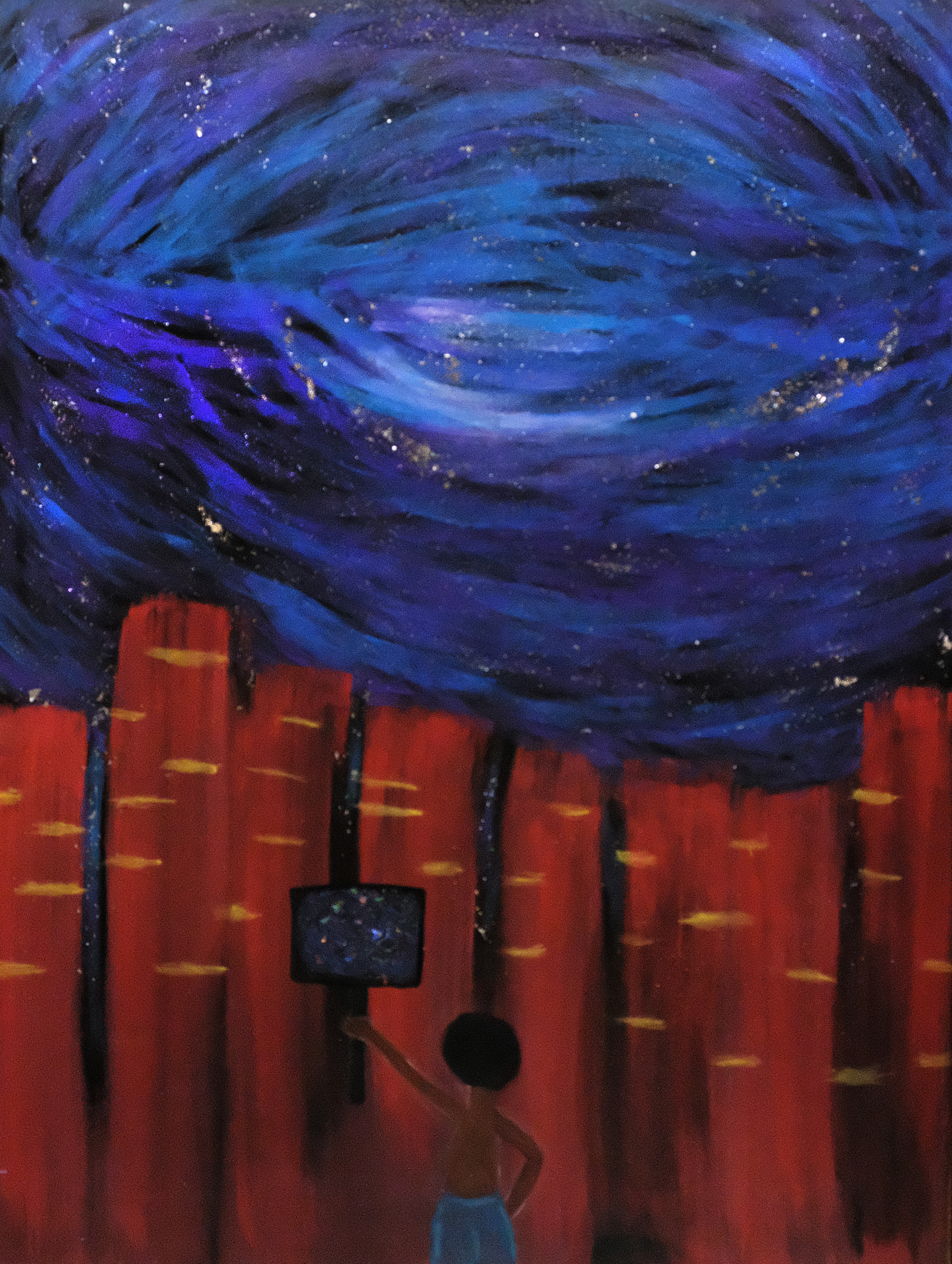
Many headlines in 2020 spoke of two pandemics: covid-19 and white supremacy. These stories highlight various forms of protest, from candlelight vigils for those killed by police to students fighting for more inclusion in their classrooms.
Many headlines in 2020 spoke of two pandemics: covid-19 and white supremacy. These stories highlight various forms of protest, from candlelight vigils for those killed by police to students fighting for more inclusion in their classrooms.
In 1969 Fannie Lou Hamer founded the Freedom Farm Cooperative, a grassroots organization that planted crops to benefit poor black families. Cash crops like soy and cotton were grown to pay taxes while other crops such as peas, squash, and collard greens were grown to be given back to the families that worked on the coop. Eventually a “pig bank” was started so that poor families could have pig meat in addition to produce. However, without sufficient institutional backing, the coop could not survive over the long term.
The Black Cross Nurses (BCN) were established by Marcus Garvey as one facet of the Universal Negro Improvement Association’s (UNIA) goal to develop a “black nation-state-in-waiting”. The first BCN unit was established in Philadelphia and was aimed to be the principal healthcare provider for the UNIA but also expected to tend to the armed forces, namely UNIA’s own militia and the African Legion. They educated the public on proper sanitation techniques to prevent the spread of disease, attended to the sick in their division, and were expected to enact a system of “relief” in the case of a natural disaster or epidemic. The BCN also provided an opportunity for black women to pursue a career in nursing, a field with otherwise very limited horizons for women of color.
Kelly Izdihar Crosby is a black Muslim artist based in Atlanta who challenges societal violence by “waging beauty”. She approaches her work from an almost spiritual perspective influenced by her faith, communicating a visual image of a beautified character. Her work uses bright colors and abstract yet objective images to communicate her experience as a black Muslim woman and to pay homage to the vibrant southern culture she comes from.
Zenobia Thompson, a nurse at Homer G. Phillips Hospital, became a leader in the effort to keep the hospital from closing in 1977. Homer G. Phillips Hospital was the only hospital for black patients in St. Louis during segregation and still cared for primarily black patients after desegregation. It was also the first black teaching hospital west of the Mississippi river and by 1961 had taught that most black doctors and nurses in the world. Thompson organized campaigns to keep the hospital open, but despite her efforts, it was closed in 1979. Thompson continued her activism after the hospital’s closure and in 2019 was awarded the Lifetime Achiever in Healthcare Award and the Martin Luther King Award for her efforts.
The Council of Federated Organizations (COFO) was formed as a coalition of multiple civil rights groups SNCC, CORE, NAACP, SCLC, and other groups. They were majorly active in the South, especially in Mississippi, and played a pivotal role in charting the future of the Mississippi movement. In 1965, COFO represented one of the largest single collections of civil rights workers working on the largest group of programs any civil rights drive in history had ever undertaken.
On December 1964, a leaflet went out to families in the Roxbury community, reading "DO YOU WANT 27 POUNDS OF FREE FOOD? COME TO A MEETING . . ." Thirty women showed up, and returned in a few days with 1500 signatures on a petition asking for the distribution of surplus food in Boston. Fifty mothers delivered the demand to Mayor Collins, who promised the food by March 1. The mayor failed to deliver.
Students of the Afro-American Society, Native Americans at Dartmouth group, and The Latino Forum spray painted the annual Winter Carnival ice sculpture in red and black to "make clear to the whole student body our dissatisfaction with the manner in which we, as minorities students at Dartmouth, are treated." The red and black paint symbolized "the unrecognized presence of other ethnic groups on this campus."
In the fall of 2015, Black students created a Black Lives Matter display in Collis Student Center, which featured shirts hung to represent the numerous Black lives lost to police brutality. This display was promptly defaced and torn down by other Dartmouth students soon after its enactment. The demolition of this exhibition spurred the larger Black Lives Matter protest on campus that followed soon after. The predominately Black group of 150 students held a protest demonstration in Baker-Berry Library in support of the Black Lives Matter movement and to call out the defacement of the display.
Black students at Dartmouth held protest demonstrations against the rampant institutional racism on campus and to advocate for the foundation of Black Studies at the College.