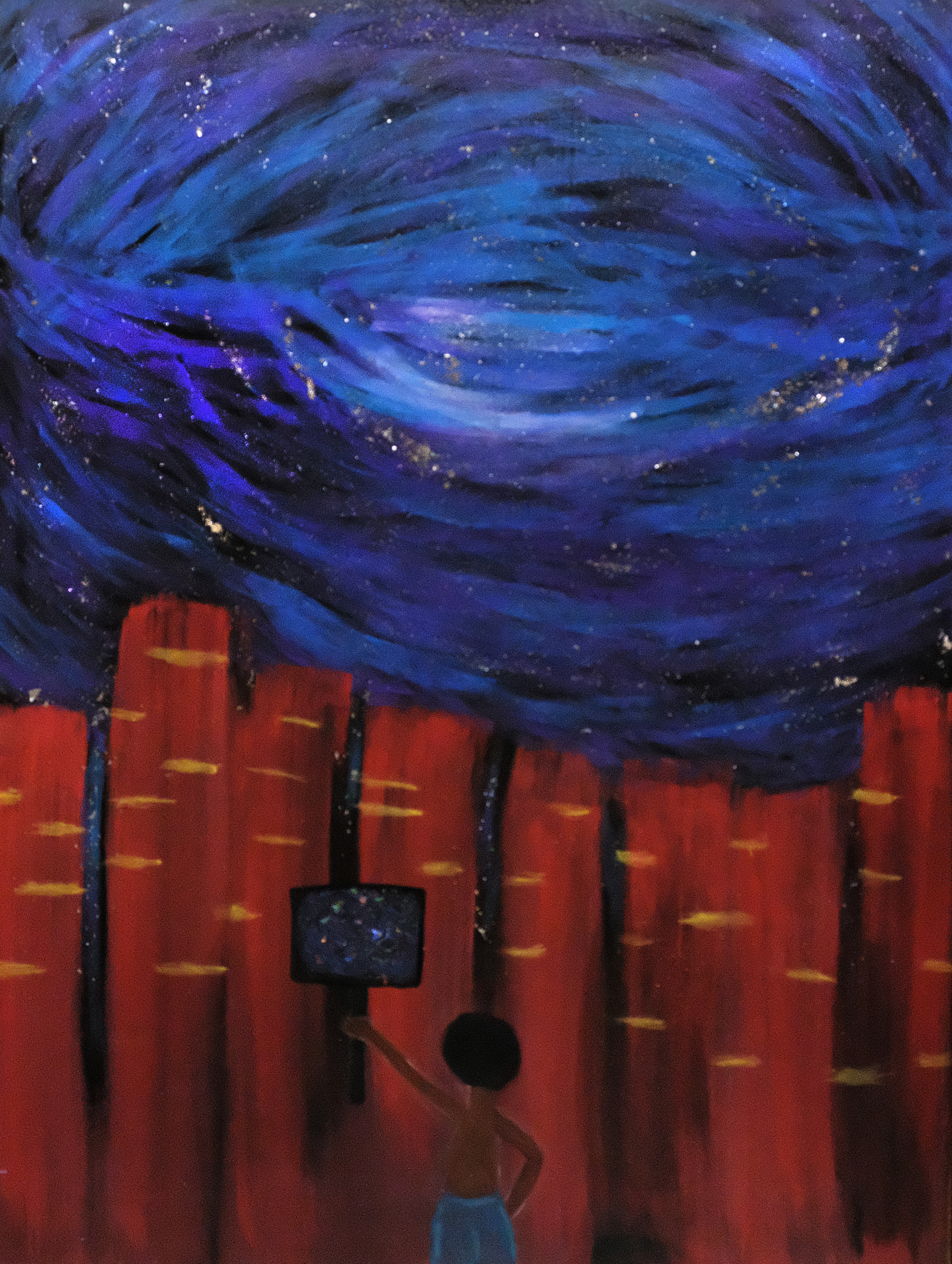
Many headlines in 2020 spoke of two pandemics: covid-19 and white supremacy. These stories highlight various forms of protest, from candlelight vigils for those killed by police to students fighting for more inclusion in their classrooms.
Many headlines in 2020 spoke of two pandemics: covid-19 and white supremacy. These stories highlight various forms of protest, from candlelight vigils for those killed by police to students fighting for more inclusion in their classrooms.
Black students at Cornell University occupied the student center Williard Straight Hall following the burning of a cross in front of Wari House, a dormitory for African-American women, and disciplinary action taken against an African-American student who protested against racism they experienced. The students nonviolently occupied the hall with rifles and shotguns for 36 hours, advocating against Cornell’s institutional racism, its biased judicial system, and its slow progress in establishing a Black Studies program.
Louis Farrakhan convened the Million Man March in October of 1995 in Washington, DC. Hundreds of thousands of Black men gathered on the National Mall in order to discuss the role of Black men in the United States and build a sense of community and political empowerment.
On July 5, 1852, Frederick Douglass gave a speech to the citizens of Rochester, New York. It was the 76th anniversary of the signing of the Declaration of Independence but rather than give a cliché speech on freedom in the US he took the opportunity to remind those listening that a nation celebrating freedom still has millions of people living under slavery. “What, to the American slave, is your Fourth of July? I answer; a day that reveals to him, more than all other days in the year, the gross injustice and cruelty to which he is the constant victim.”
Before Maya Angelou published her debut novel, I Know Why the Caged Bird Sings, she worked as a coordinator for the New York office of the Southern Christian Leadership Conference. Angelou used her experience as an actress to organize “Cabaret for Freedom”, a revue to raise funds for the SCLC. The revue ran successfully and attracted many black celebrities on its first night including Lorraine Hansberry and Sidney Poitier.
Ezell Blair and Joseph McNeil organized a sit-in protest at the Greensboro Woolworth’s lunch counter along with two other college students. After the students were kicked out they spoke to community leaders around campus and a series of sit-in protests began across North Carolina. Eventually, white students began to join the protests as well. Many of the protests led to the rapid desegregation of some lunch counters but overall helped to increase awareness of the indignity of segregation all over the US.
We Charge Genocide is a grassroots organization in Chicago that takes its name from a 1951 petition filed to the United Nations protesting human rights abuses against Black people in the United States. In 2014, they submitted a report to the United Nations Committee Against Torture entitled "Police Violence Against Chicago's Youth of Color."
The 1969 Harlem Music Festival was a free concert series meant to serve the Black community after the death of MLK. With artists of the day like Stevie Wonder, Nina Simone, the 5th Dimensions, and Mavis Staples, crowds that summer was larger than the years prior. The event became a healing space for artists, community members, and Black politicians alike with the Black Panthers joining in to manage community safety.
Mapinduzi is "a community organization dedicated in advancing the interest of all colonized people held down by capitalist exploitation." The organization offers supply drives to gather resources for community members in need, protests against injustice, and defends the interest resources to meet immediate need for community members. In April of 2021, Mapinduzi held a candlelight vigil for people killed by both the COVID-19 pandemic as well as state sanctioned violence. They encouraged folks to "bring a mask, signs, candles, and whatever is on your heart as we grieve."
Before black people were allowed to have their own places of worship in the US, secluded hush harbors allowed them to come together and worship in private. Hush harbors allowed black people in the antebellum South to combine African and Christian spiritual practices to create uniquely black worship traditions; to remember the forests of the motherland and remember the ancestor spirits. “It was primarily through religious rituals and the carving out of black sacred spaces that enslaved persons were able to affirm self and create a world over against the world proffered by the master for their families.”
In 1968 the first People’s Free Medical Clinics were established by the Black Panther Party as an alternative to Great Society community health centers which were often underfunded. The clinics mainly provided first aid and basic health services such as vaccinations and vitals. In 1971 the clinics began educating and screening black populations for sickle cell anemia. Yet, law enforcement harassment and a lack of consistent volunteer effort eventually lead to the closure of these clinics.